Bún chả — grilled pork with rice vermicelli, herbs and a fish-sauce-based dipping bowl — is one of Hanoi’s signature lunch dishes. This article explains the format and why a 2016 television visit with former US President Barack Obama and Anthony Bourdain made one alley shop famous worldwide. It is not a live price list, queue forecast or endorsement of any single address today.
On a street food walk, guests order and pay vendors directly; portions, hours and menus change. Use the dish description below to recognise bún chả on the route rather than treating any historic headline as guaranteed availability.
An Overview of Bun Cha’s Origins and Flavors
Bun cha consists of grilled pork patties and pork slices served over a bowl of rice vermicelli noodles and assorted herbs and vegetables. The dish gets its name from “bun”, the Vietnamese word for rice noodles, and “cha”, meaning grilled or charred meat. It likely originated in the 20th century as humble street fare, providing a quick, satisfying meal for local workers.
While bun cha can now be found worldwide in Vietnamese restaurants, the authentic version comes straight from Hanoi’s bustling streets. What truly makes bun cha special is the unique sweet-savory marinade for the grilled meat along with the accompanying dipping sauce known as “nuoc cham.” The marinade typically contains fish sauce, lemongrass, garlic, sugar, black pepper, and shrimp paste. These ingredients give the pork a mouthwatering caramelized char. The nuoc cham dipping sauce strikes a perfect balance of savory, sour, sweet and spicy flavors. It’s made from fish sauce, lime juice, sugar and chili.
The Quintessential Dining Experience of Hanoi’s Street Food Culture
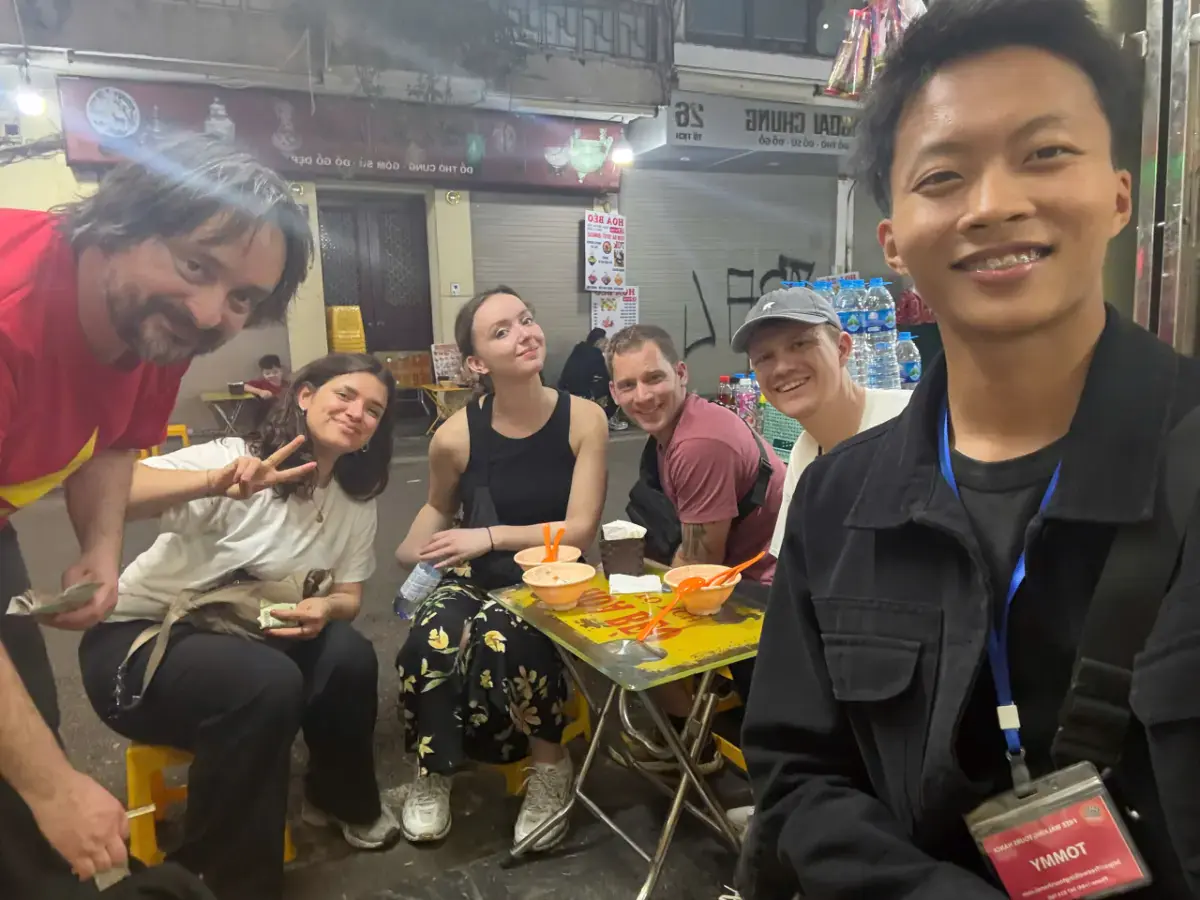
Part of bún chả’s appeal is the street-side rhythm: plastic stools, charcoal smoke, herbs added at the table, and scissors for cutting vermicelli into manageable lengths. Prices, portion sizes and hours vary by shop and season — confirm on the menu board or with staff rather than relying on figures copied from older travel articles.
International attention peaked in May 2016 when President Obama shared a bún chả meal with Anthony Bourdain for a broadcast segment filmed in Hanoi. That episode highlighted everyday dining rather than formal state cuisine; it does not guarantee that any one shop will be open, quiet or identical years later.
Reading the 2016 visit without treating it as live data
Vietnamese media reported long queues at Bún chả Hương Liên on Hàng Quạt after the episode aired. The shop became a pilgrimage point for visitors seeking the same table setting. Menus, prices, signage and crowding evolve; photos from 2016 are historical context, not proof of today’s service model.
If you visit independently, queue politely, order clearly, and pay the vendor directly. For neighbourhood pacing and multiple tastings, the Hanoi Street Food Tour and Old Quarter walk explain how structured food stops differ from chasing one headline address.
What to notice in the bowl
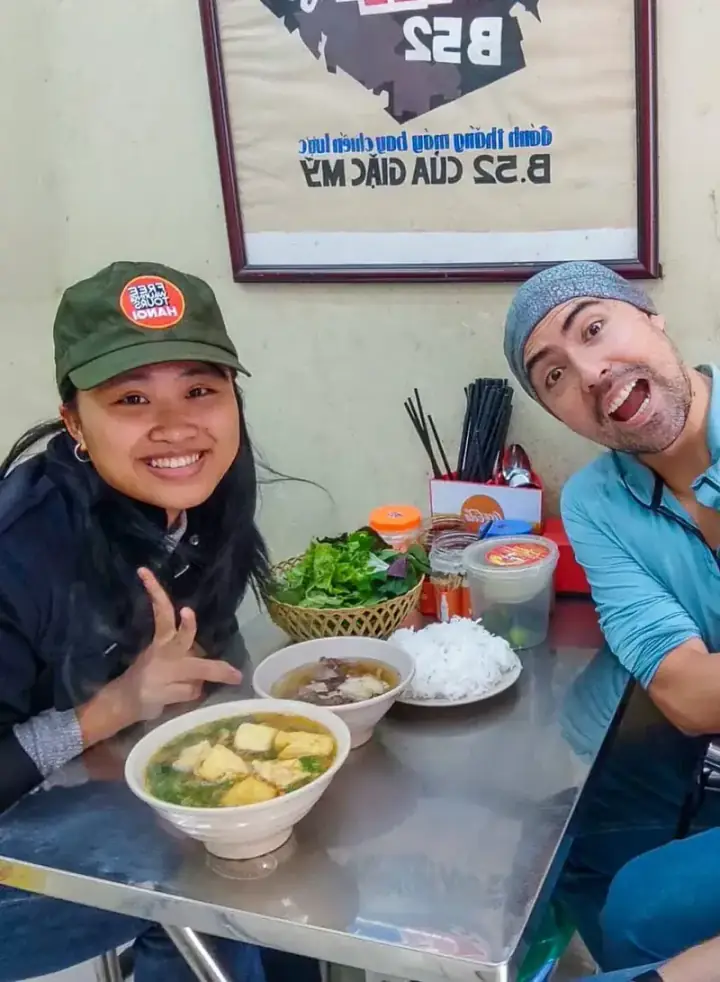
Expect two pork elements — patties (chả viên) and sliced grilled pork (chả miếng) — with vermicelli, herbs and a separate dipping bowl balancing sweet, sour, salty and chilli heat. Quality shows in the char on the meat and the clarity of the broth, not in marketing copy.
Bún chả remains a Hanoi lunch habit rather than a nationwide default; southern cities favour other noodle formats. That regional focus is why the dish belongs in a Hanoi walking-food conversation instead of a generic “Vietnamese food” checklist alone.