Introduction
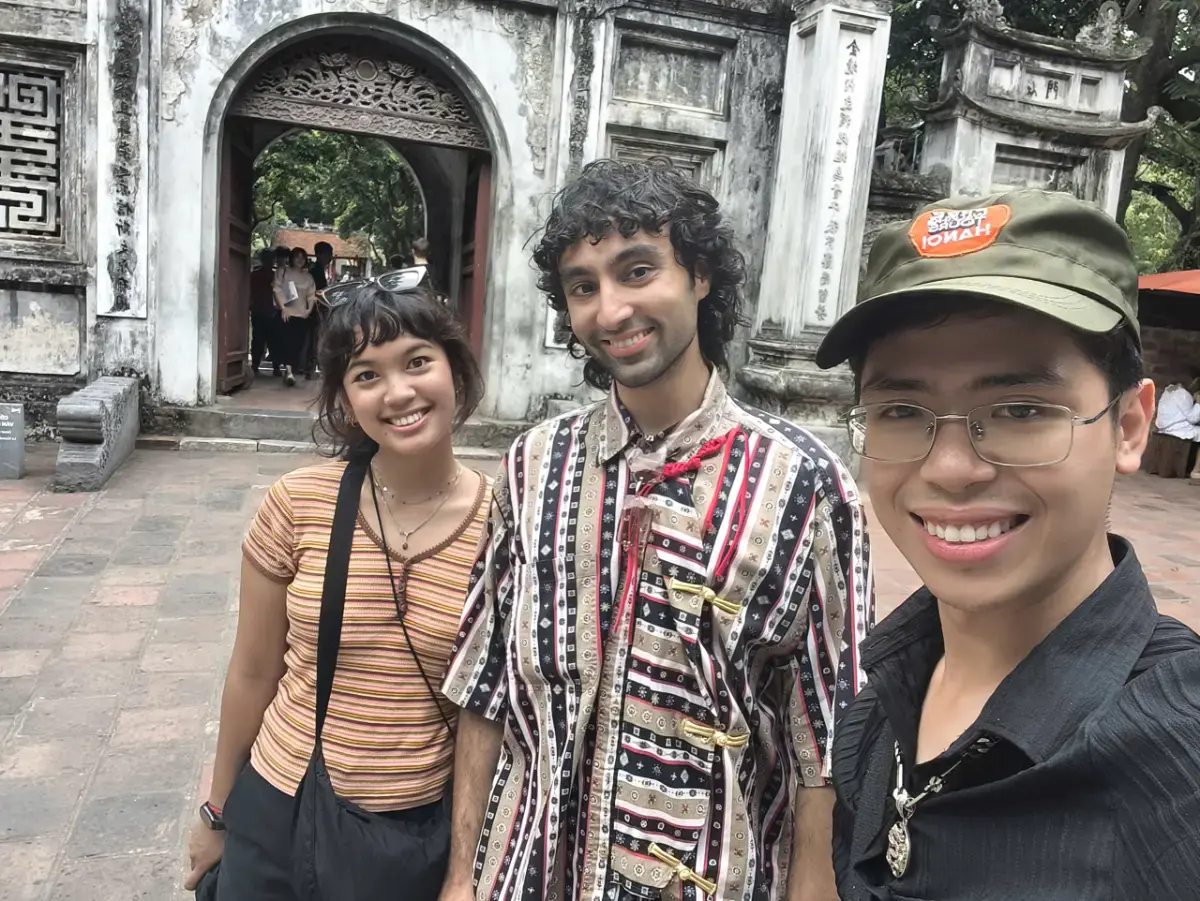
Vietnam has a long and rich Buddhist history dating back to the 1st century CE when the religion first entered from India and China. Over the centuries, Buddhism has evolved into a uniquely Vietnamese form with influences from Mahayana, Theravada and Vajrayana branches as well as integration of Confucian, Daoist and folk practices. This intermingling has led to considerable diversity in Vietnamese Buddhism which continues to the present day — and nowhere is it easier to feel than in Hanoi, where you can discover Hanoi on foot and walk between living pagodas, Confucian shrines like the Temple of Literature and folk-religion sites like the Kieu Lady Temple in a single afternoon.
Theravada Buddhism
Theravada Buddhism is considered the more orthodox and austere branch focusing on the earliest Buddhist teachings. This school entered Vietnam during the 11th century as monks returned from studying in Sri Lanka. By the 13th century, this path had become the dominant religion under the Tran dynasty. Key features include:
• Emphasis on monastic discipline and meditation practices to attain nirvana
• Pali canon texts studied and recited in Vietnamese temples
• Restrained rituals and ceremonies without much ornate decoration
Today, Theravada remains most prevalent in southern Vietnam, particularly in the Mekong Delta where many ethnic Khmer Cambodians live. The government officially recognizes the Theravada Sangha of Vietnam as the representative body.
Mahayana Buddhism
Mahayana Buddhism entered northern Vietnam even earlier from the 2nd century CE. With its more diverse philosophical interpretations and practices, this path integrates better with indigenous religions. Key aspects in Vietnamese Mahayana include:
• Worship of bodhisattva saints like Quan Am who embody Buddhist ideals
• Elaborate pagodas, shrines and rituals using vernacular language
• Veneration of ancestors and tutelary deities along with Buddha
Many Vietnamese identify as Mahayana Buddhists without necessarily being strict adherents. Customs like ancestral worship and festivals have assimilated into local culture. Zen meditation among intellectual elites also reflects Mahayana influence — a thread you can pick up on the Hanoi City Tour as you move between Tran Quoc Pagoda, the One Pillar Pagoda and the Confucian courtyards of the old capital.
Vajrayana Buddhism
Tantric Buddhism or Vajrayana emphasizes esoteric rituals, mantras and visualization meditations to achieve enlightenment swiftly. These mysterious tantric practices captured the imagination of Vietnamese rulers. The Tran dynasty patronized Vajrayana clergy, building many pagodas and translation projects. Reigning dynasties invoked tantric rituals for power.
Today Vajrayana survives through integration into Mahayana Buddhism. Many pagodas house Vajrayana altars or mendicants. Elements like mantra chanting and talismans remain popular. However, actual tantric study is quite limited.
Folk Beliefs Synthesis
One integral feature of Vietnamese Buddhism is its synthesis with indigenous religions like folk Taoism, Confucianism and ancestor spirits. Most Vietnamese fuse Buddhist figures like Quan Am into their folk practices seamlessly.
Quan Am, a bodhisattva embodying compassion, enjoys immense popularity across Vietnam as both a Buddhist and folk goddess. Her statues appear in most Vietnamese Buddhist homes and temples. Spirit mediums may invoke her along with other saints.
Ancestor veneration also aligns closely with Buddhist teachings on filial piety and karma. Pagoda ceremonies often include appeasing restless ghosts through offerings. Cremation and death anniversary rituals synergize Buddhism and folk beliefs. This flexible integration is exactly what you witness at lakeside shrines like the Kieu Lady Temple, where Taoist mother-goddess worship sits side by side with Buddhist iconography.
Buddhism in Modern Hanoi
Today, over 50% of Vietnamese identify with Buddhism in some form. Buddhist practices go beyond temples into homes, festivals and rituals. In Hanoi, many disciples come to Tran Quoc Pagoda on West Lake to pray for happiness and good luck, and the courtyards of the Temple of Literature still draw students before exam season to ask the Confucian sages for help.
Urban middle-class interest in mindfulness and meditation is rising rapidly. Young Vietnamese view Buddhism as part of their cultural identity, even as orthodox monks debate creeping commercialization and the religion's evolving role in a fast-developing country.
Conclusion
Vietnamese Buddhism has never been static. Through layers of history, the religion has dynamically mixed with other faiths in Vietnam, creating a localized synthesis. Standard practices get balanced with flexible integration of belief systems. Its essence of compassion and mindfulness remains relevant as Vietnam develops in the 21st century — and a slow walk between Hanoi's pagodas is still the best classroom for it.